Polly Pocket then and now
A short history of the compact that fits a whole world, and how to tell the generations apart when you find one in a drawer.
A compact for one little girl
In 1983 Chris Wiggs made a dollhouse inside a powder compact for his daughter Kate. The design reached stores in 1989, and the first Polly Pocket compacts — hearts, circles, shells and squares in pastel plastic — opened onto homes, schools and gardens with a doll under an inch tall.
The classic 1990s years
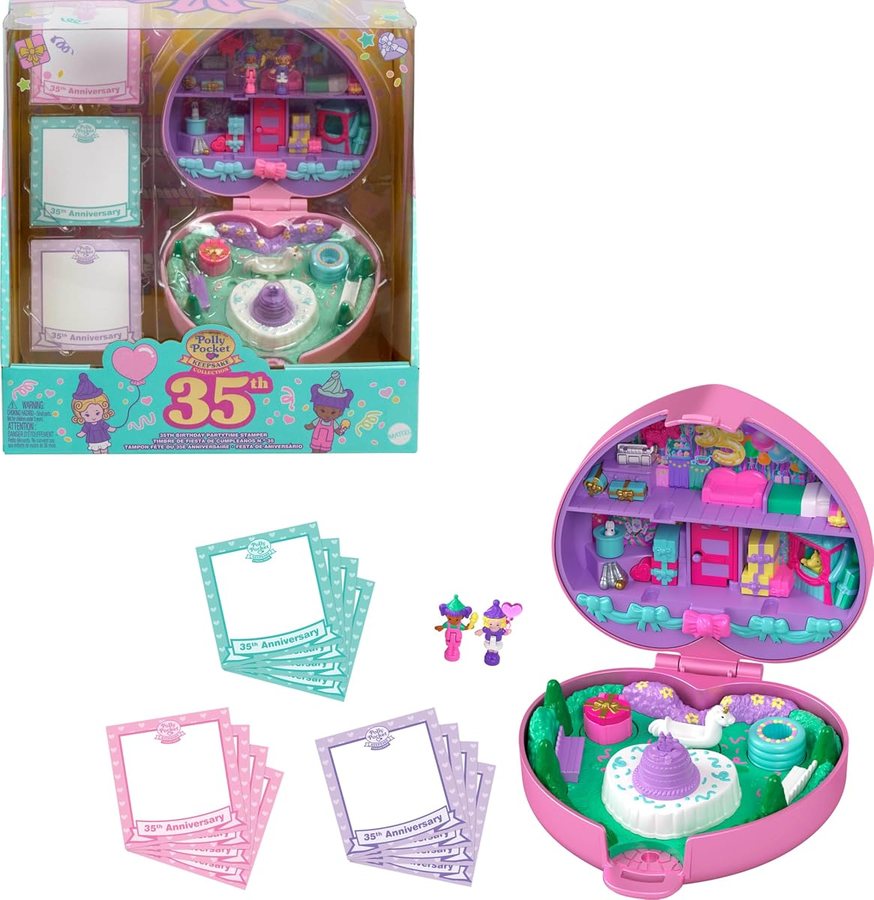
Through the early nineties the line grew into playsets that connected, ring and locket compacts you could wear, and party sets such as the Partytime Stamper. These are the compacts most adult fans remember, and the ones most often searched for today.
Bigger dolls, then back to micro
After 1998 the dolls grew to about four inches with rubber clothing, a very different toy. Later relaunches shrank them back to micro size and returned to the compact as the heart of the brand.
Today's Polly Pocket
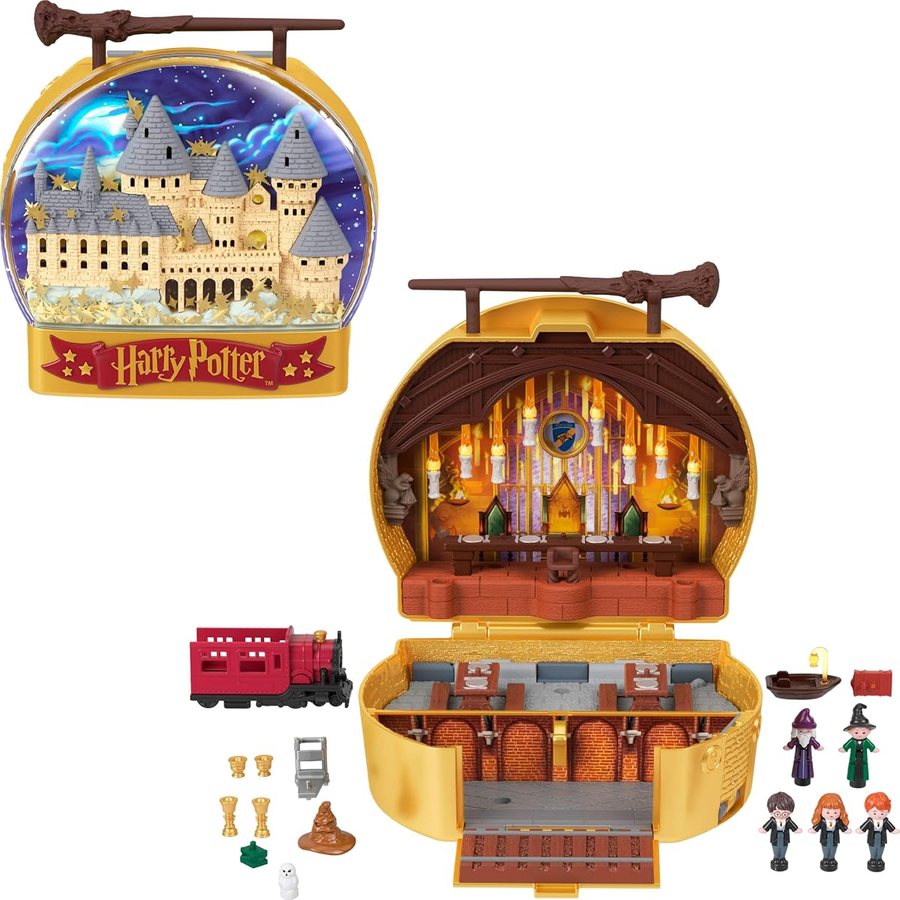
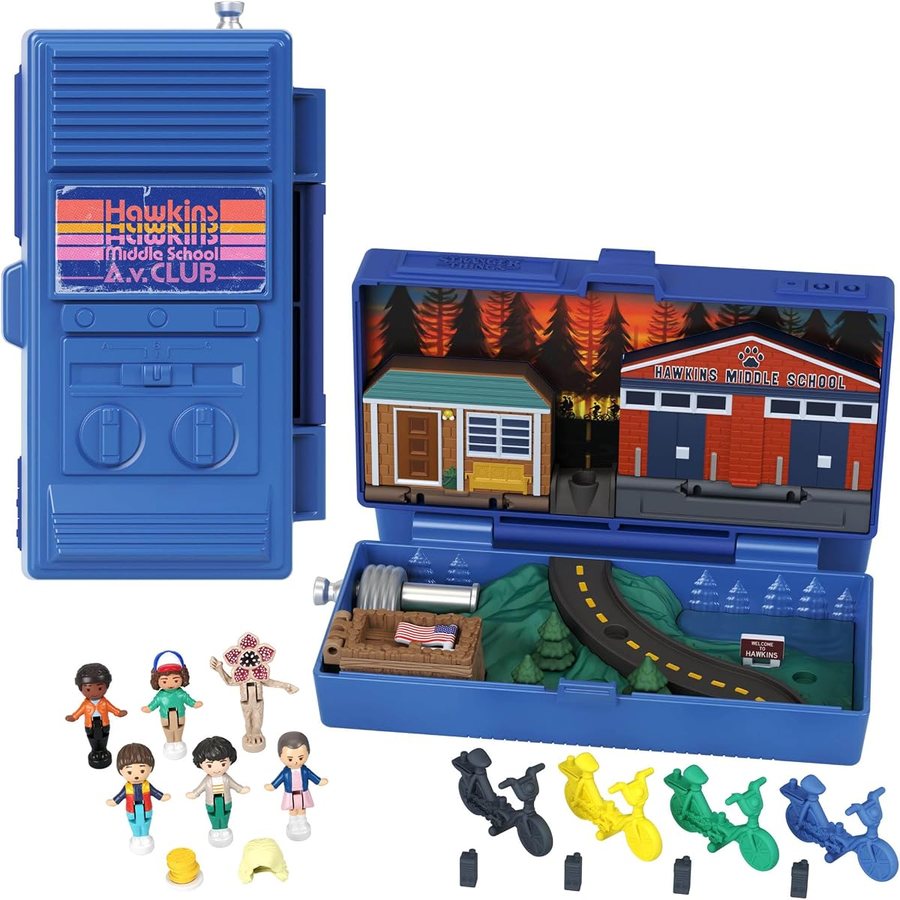
Current compacts mix the old idea with new tricks: two-level interiors, surprise reveals, color change, water play and fidget exteriors. Heritage editions remake 1990s designs in collector boxes, and partnerships with Harry Potter, Stranger Things, Wicked and Barbie bring familiar characters into micro size.
Telling them apart
Older compacts usually carry a Bluebird mark and a year molded inside the lid, and the dolls are stiff with a single peg hole. Newer sets are marked Mattel, use brighter plastics, and the micro dolls often have bendable arms.
The classic shapes
The first Polly Pocket toys came in a handful of shapes that collectors still sort by: the heart, the round compact, the shell, the square box and the ring box. Each shape hid a different kind of world — a heart might open onto a ballroom, a shell onto a beach house, a ring box onto a garden small enough to wear on a finger. The colors were soft pinks, lilacs and mints, and the mini dolls were one-piece figures that clicked onto a peg.
Pollyville and the bigger playsets
As the line grew, Polly Pocket sets started to connect. Bigger playsets folded out into houses and towns, and the idea of Pollyville — a whole place for Polly and her friends to live in — took shape. Today that name returns in the Pollyville Fresh Market and Sweet Store sets, which add shops and food accessories to the collection.
Polly and her friends
Polly has always had company. Shani, Lila and Nicolas appear in today's compacts, along with pony, puppy, bunny, bear and kitty figures that act as pets. The friends change looks from set to set, with new hair, colors and outfits, which is part of why kids collect more than one compact.
Why the compacts still work
The magic of Polly Pocket is the click: a small case, a whole world inside, and every accessory with its own spot. That idea fits modern families as well as it did in 1989 — Polly Pocket toys travel, they store themselves, and they invite creative play without screens. It is also why the brand keeps returning to the compact after every experiment with bigger dolls.
Themes through the years
Polly Pocket themes have always followed what kids love. The 1990s brought ballrooms, beach houses and schools; the 2000s added fashions, cars and the Polly Pocket Dreamhouse; today's themed compacts cover ice cream parlors, bubble tea, fruit, pets and outer space. Food themes are especially popular — a tiny ice cream cart, a gumball machine or a picnic basket packed with miniature furniture and treats.
Moving parts and small surprises
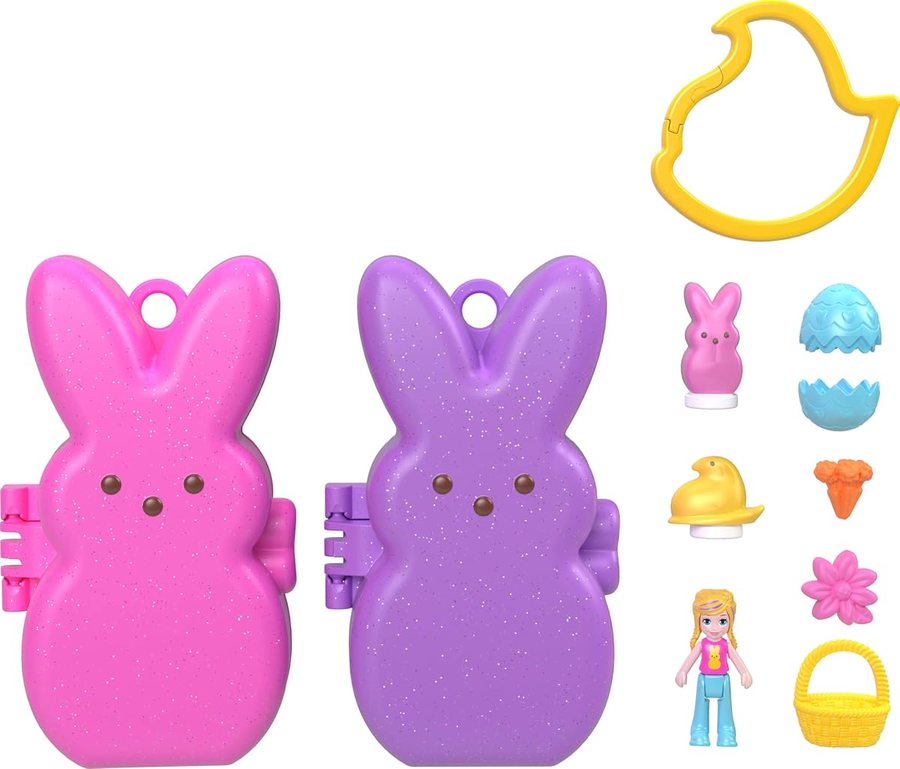
Modern compacts hide more mechanics than the originals. There is an elevator in the Barbie Dreamhouse compact, a slide in the resort, a working car in the moped compact and flip panels that change one scene into another. Portable purse and backpack sets add a strap or a charm, and animal-shaped compacts turn the outside of the toy into a pet. Close the lid and it all packs away, ready for the next trip.
Polly Pocket dolls across the generations
Polly Pocket dolls have changed size, hair and fashions many times, yet the friends stay recognizable. Today's micro dolls come with Polly in nearly every compact, and the newest assortment adds partners like Barbie and Brooklyn in the Barbie Dreamhouse compact, Draculaura and Clawdeen in the Monster High compact, and character dolls from movies and shows. Pairing them across sets is half the fun — the possibilities grow with every compact that joins the collection.
Fun for every age
Polly Pocket toys still match the original promise: tiny, portable and packed with fun. Kids match accessories between compacts and expand their town with each new set, a gelato house here, a pineapple compact there, while grown-up collectors look for the keepsake collection, the 80th anniversary set and special packaging. Whatever the age, the moment a Polly Pocket compact opens is the same small surprise it was in 1989.
Collecting today
Popular Polly Pocket collector sets now include licensed compacts, heritage remakes and boxed partnership editions. Vintage compacts from the 1990s still trade among collectors, especially complete ones with all their mini dolls and figures. If you are starting a collection, a heritage remake gives you the classic look in new condition, and a modern compact or two gives the kids something to open right away.
Polly Pocket at a glance
- 1983 — the first homemade compact dollhouse
- 1989 — Polly Pocket compacts reach toy shelves
- Early 1990s — ring box, locket and stamper compacts, connecting playsets
- 1998 — Mattel takes over the brand; taller dolls with rubber fashions follow
- Later relaunches — micro dolls and the compact return
- 35th anniversary — heritage remakes and collector compacts
- Today — themed compacts, wearables, big playsets and partnerships